The “Honey & Menthol Bedtime Ritual” Everyone Is Talking About Makes Sense. But It Only Covers Half the Picture.
Let’s talk honestly about what is going on with your memory.
If you tried the honey tea, the menthol balm or a crossword every morning and still lost your train of thought, you didn’t do anything wrong.
Most of the home tricks going around online focus on one thing: how you feel in the evening. Calmer, cozier, a little more relaxed before bed.
That has real value. Good sleep matters for memory. But a relaxing evening is only one part of how the mind stays sharp.
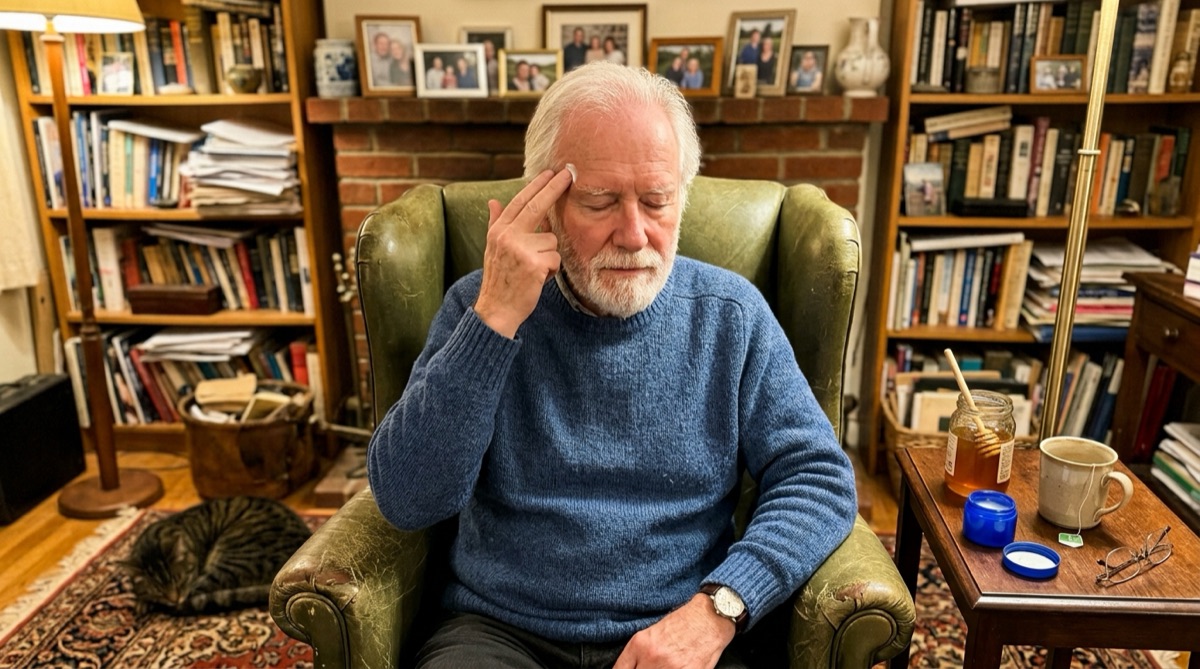
The brain also depends on what you do with it during the day — how often it’s gently challenged, how focused your attention is, and how much time it spends in a calm, settled state rather than racing from one worry to the next.
That daily part is what most viral videos leave out.
And when it’s missing, people try one trick after another, feel little lasting change, and start to believe forgetfulness is simply “part of getting old.”
This article explains the other half of the picture — and the simple daily listening routine many adults over 60 are adding to their evening ritual.
If you came here from the honey & menthol article: keep your bedtime ritual. A warm caffeine-free drink, a calm room and a regular bedtime are good habits.
And if you came here because forgetfulness keeps getting in the way of your day: that pattern is worth paying attention to. Keep reading — and if memory changes are sudden, getting worse or affecting everyday tasks, talk to your doctor first.
If Names, Words and Small Details Slip Away More Often, You’re Not Imagining It
Let me guess.
You’ve tried sticky notes on the fridge. Reminders on your phone. A puzzle book. Maybe a brain-training app that now sits forgotten on your phone.
Some days you feel sharp. Other days you walk into the kitchen and stand there wondering why. A grandchild’s name takes a second too long. You read a page and realize you didn’t take any of it in.
And when you mention it, you hear some version of the same thing: “It’s just age.”
Age is part of it. But “just age” isn’t an explanation, and it isn’t a plan.

Here’s what is more useful to know: the brain keeps adapting throughout life. Researchers call this neuroplasticity — the ability of brain cells to form and strengthen connections when they’re used.
When your daily routine gives the mind something steady and calm to work with, your evening ritual has a stronger foundation. When it doesn’t, bedtime tricks only go so far.
Free to read · 5 quick questions
Your Recommended Routine
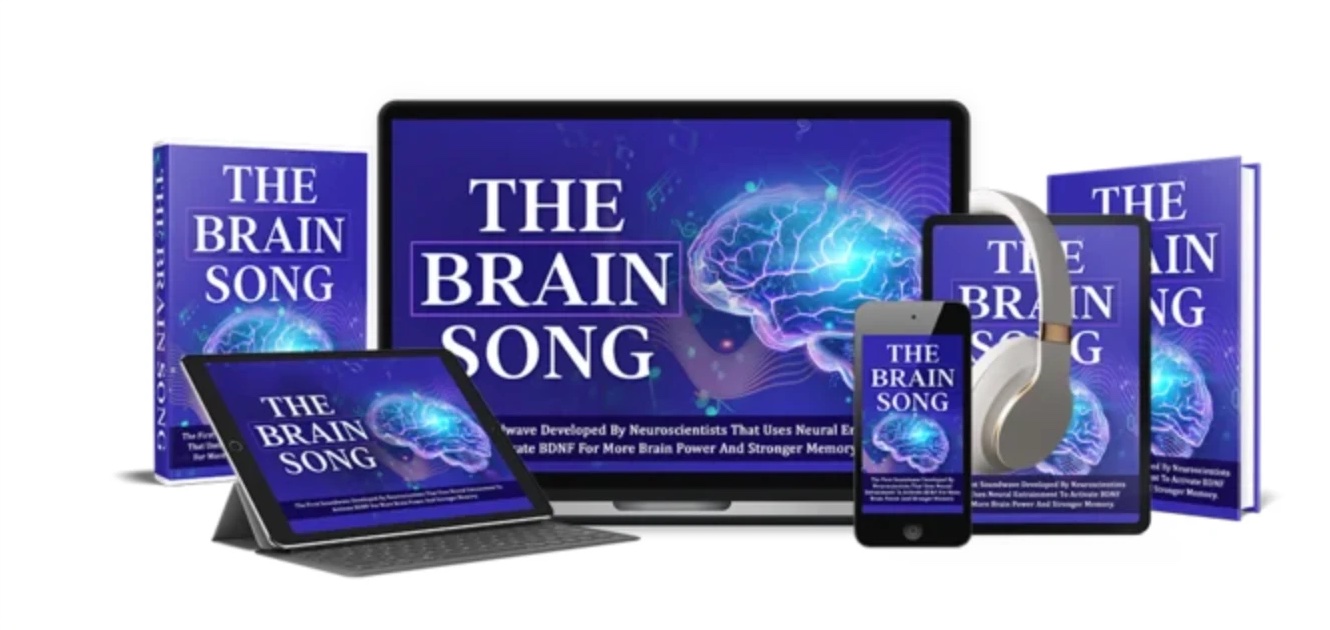
The Brain Song
Digital audio program · instant access
- Listen on your phone, tablet or computer
- No pills, no capsules — nothing to swallow
- Fits into a few minutes of your day
- Backed by ClickBank’s 90-day return policy
Final price is shown in your currency on the secure checkout page before you pay.
Destination: orders.clickbank.net
What’s Actually Happening in an Aging Brain
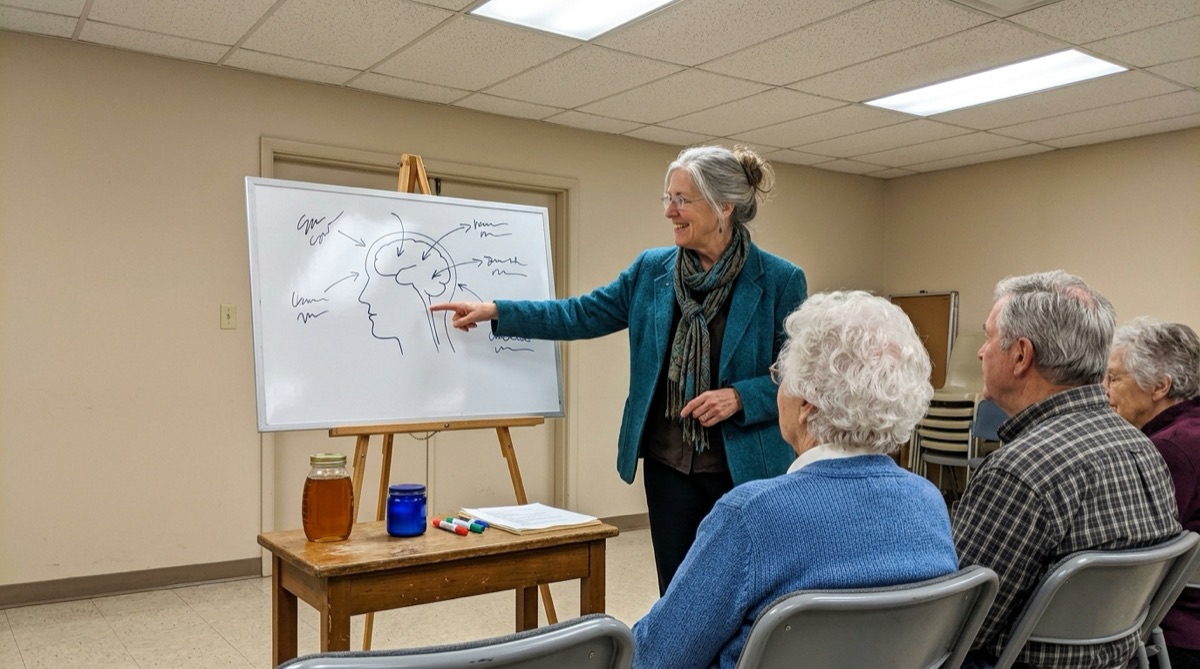
Think of your memory like a library that never stops reorganizing its shelves.
Every time you learn, recall or focus on something, the connections between brain cells are used — and connections that are used tend to stay stronger. Researchers also study a protein called BDNF (brain-derived neurotrophic factor), which plays a role in how brain cells grow and connect.
To stay in good shape, that system benefits from three things working together:
- Rest — deep, regular sleep, when the brain sorts and stores the day’s memories.
- Stimulation — gentle daily challenges, conversation, music and new experiences.
- Calm focus — time each day when the mind isn’t scattered by stress and noise.
A honey tea and a menthol balm help with the first one: winding down for rest. They don’t provide stimulation or focused listening during the day.
Same mind. Two very different kinds of support.
90-day return policy
See How Many of These Sound Familiar
You might be thinking, “That makes sense, but does it apply to me?” Fair question.
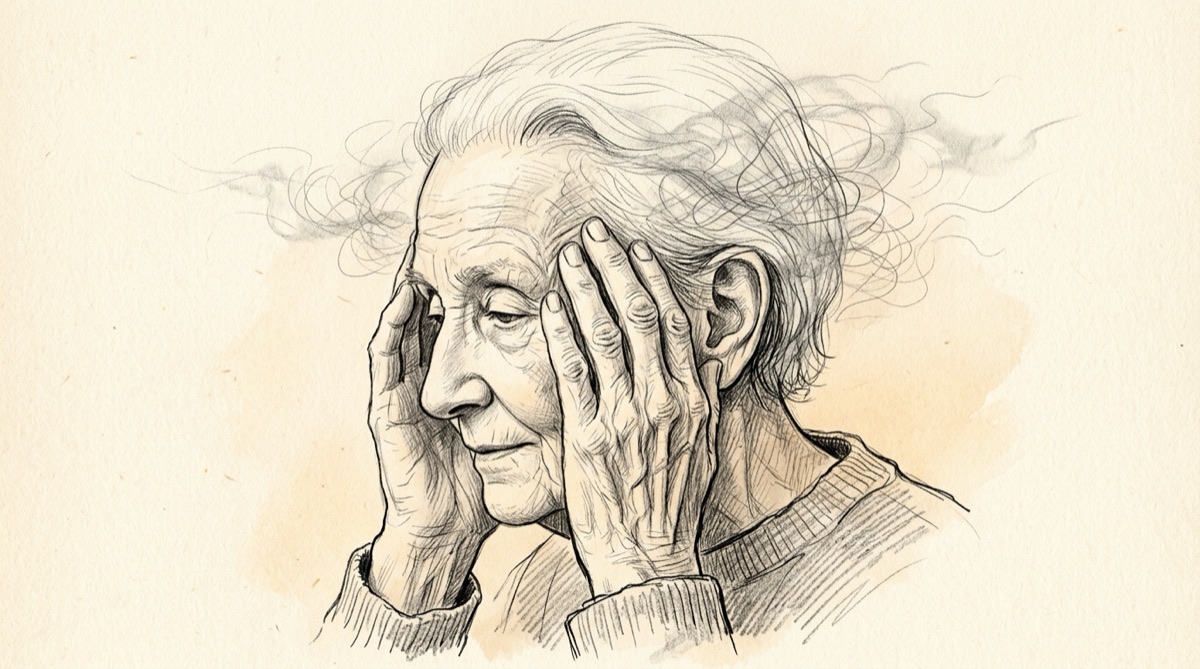
These are everyday experiences adults over 60 commonly describe. They are not a diagnosis — if several apply, it’s worth mentioning them to your doctor, too.
- Names come to you a few seconds — or a few hours — too late.
- You walk into a room and forget why you went in.
- You misplace keys, glasses or your phone more often.
- You lose your train of thought in the middle of a sentence.
- You read a page and have to read it again.
- You feel mentally “foggy” in the morning.
- You’ve tried puzzles, apps or bedtime rituals that help only a little.
There Are Four Things Most People Try. Here’s Where Each One Fits.

Sticky notes, phone reminders and hoping it passes. Understandable — but ignoring ongoing memory changes is the one thing doctors consistently advise against.
A good part of any routine. These habits help you wind down and sleep. They work in the evening, for the evening.
Fun and engaging for many people — but they take effort and screen time, and many people stop after a few weeks.
A few minutes of focused, calm listening each day, alongside the bedtime ritual you already enjoy.
Medical evaluation and treatment are a separate conversation to have with your doctor. This article is about everyday lifestyle habits.
Rest. Listen. Focus. What Is The Brain Song?
The Brain Song is a digital audio program — something you listen to, not something you take. You play it on your own phone, tablet or computer, ideally with headphones.
The track was developed using a technique called neural entrainment, in which rhythmic sound patterns are designed to encourage the brain to settle into a calm, focused state.
The Brain Song is designed as a soundwave meant to support memory and mental sharpness as part of a healthy daily routine. Research on rhythmic sound and brainwaves is still developing, and individual results vary.
Many people simply add it to the quiet moments they already have: with a morning cup of tea, after a walk, or as part of winding down in the evening.
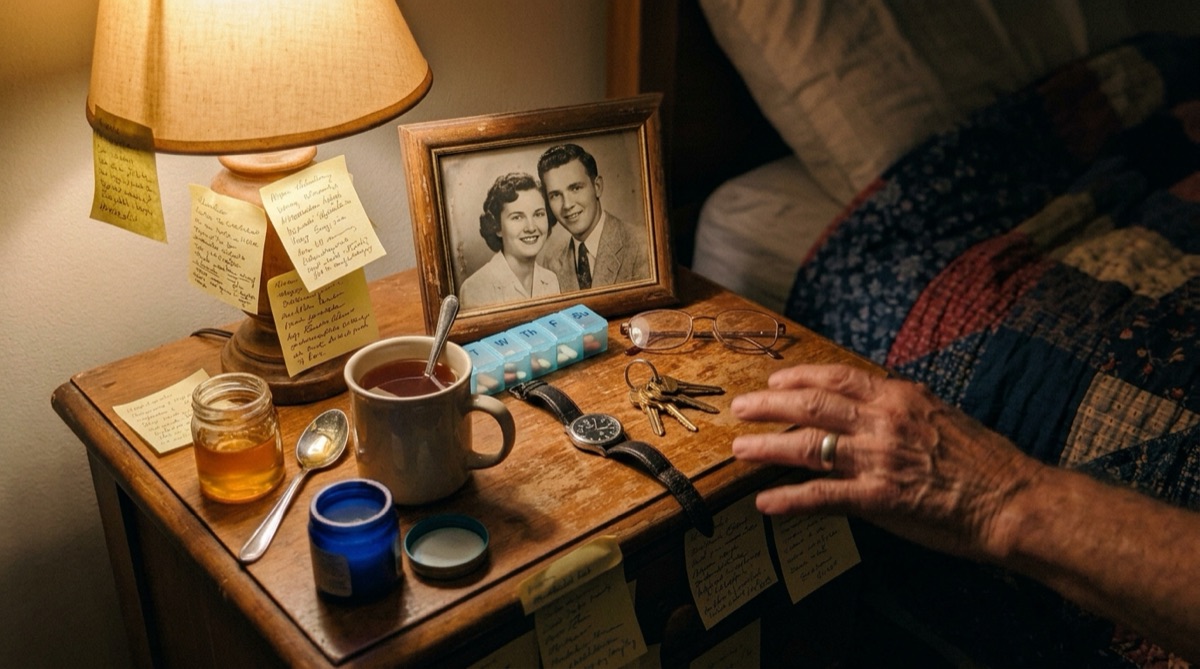
Rest. Listen. Focus. That’s the daily half of the picture — the part a honey tea can’t reach.
5 questions · about 60 seconds
“Can’t I Just Find Relaxing Sounds for Free?”

You can. Many people start with free relaxation music, nature sounds or a favorite old record — and music you love is a wonderful thing to keep in your day.
The difference is practical: The Brain Song is one specific track designed for this purpose, so you don’t have to search, compare or guess every day. Press play, and the routine is done.
And as with any habit, consistency is what matters most.
What a Simple Daily Routine Looks Like

- During the day: take a short walk, call a friend, read or learn something new.
- Once a day: put on your headphones, sit somewhere quiet and listen to The Brain Song.
- In the evening: a warm, caffeine-free tea with a spoonful of honey and a little menthol-camphor balm on the chest, as the label directs.
- Before bed: dim the lights, put screens away and go to bed at the same time each night.
New habits take time. Most people give a routine like this a few weeks before deciding how it’s working for them. Individual results vary.
Who The Brain Song Is — and Isn’t — For
- Adults over 60 who want a simple daily habit to support focus and mental sharpness.
- People who enjoy their bedtime ritual and want to add something for the daytime, too.
- Anyone who prefers pressing play over swallowing another pill.
Talk to your doctor first if you have epilepsy or a seizure disorder, a hearing condition, a medical condition, or if memory changes are sudden, severe or getting worse. Never listen while driving or operating machinery. The Brain Song is not a treatment for any disease.
What You May Already Have Spent on Your Memory
Most people don’t make one big purchase. It’s small amounts, over and over: puzzle books, app subscriptions, a bottle of pills that sat half-used in a cabinet.
The real cost is the conversations where the word didn’t come, the names you had to apologize for, and the confidence that slowly slipped.
That’s why a simple, one-time digital program you can keep using appeals to so many people.
Here’s Exactly What Happens When You Click
- Answer five quick questions about your age, what you notice and what you’ve tried.
- See The Brain Song offer and what’s included.
- Complete your order on the secure ClickBank checkout, where the final price is shown in your currency.
- Get instant digital access as soon as your payment is approved — nothing is shipped.
90-day return policy · secure checkout
Try It With Peace of Mind: 90-Day Return Policy
The Brain Song is sold through ClickBank, which states that it will allow the return or replacement of any product within 90 days from the date of purchase.
If you’re not satisfied, you can request a refund through ClickBank’s customer support, according to its return policy. Read the full terms on the checkout page before you buy.
A Few Weeks From Now, Your Days Can Feel Different
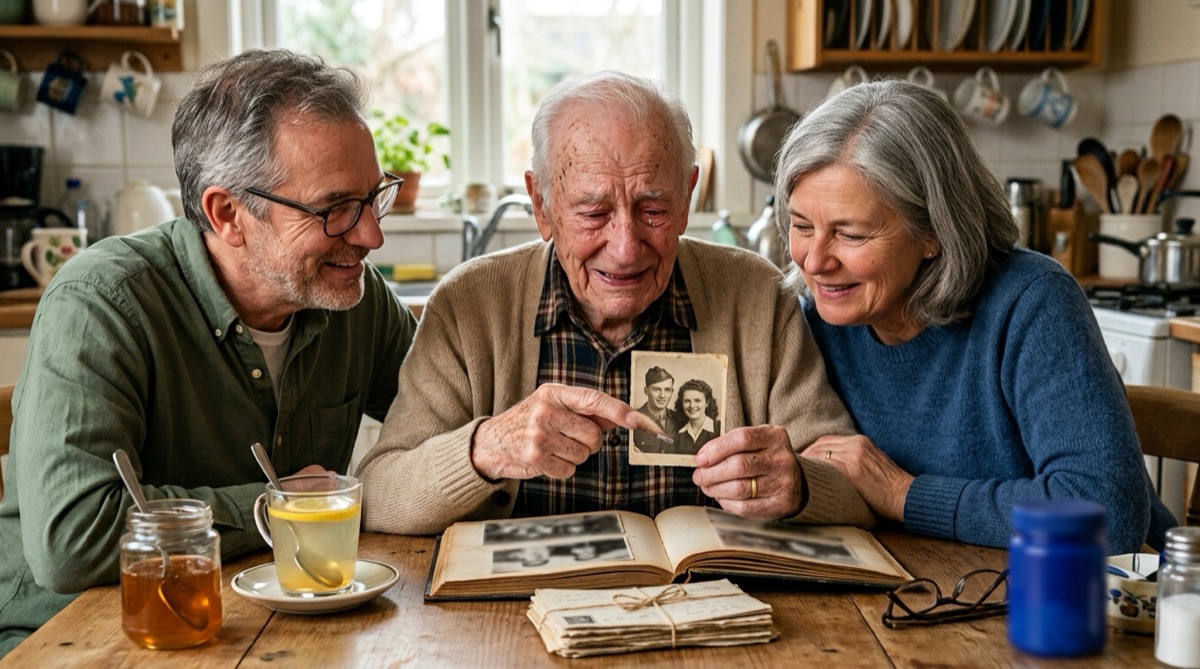
One path is familiar: more sticky notes, another app, and hoping it passes.
The other path is simple: keep your calming honey and menthol ritual in the evening, add a few minutes of focused listening during the day, and give your routine the consistency it needs.
Picture an afternoon telling old family stories, with the names and details right there when you need them.
That’s the goal of this routine.
5 questions · 60 seconds · 90-day return policy
To sharper days,NM Cuidados em Saude Ltda - MEsteadywellco.site
P.S. A honey tea and a menthol balm can be a lovely part of your evening. Just remember they mostly help you wind down. The Brain Song is a daily listening routine for the other half: rest, listen, focus.
P.P.S. Not sure if it’s right for you? Take the 5-question check above — it takes about a minute.
ADVERTISEMENT. This page is a paid advertorial about The Brain Song, a digital audio program sold by the publisher of this page. Photos feature models. Individual results vary.
These statements have not been evaluated by the Food and Drug Administration. This product is not intended to diagnose, treat, cure or prevent any disease. It is not a drug or supplement. Always consult a qualified healthcare professional before changing your health routine, especially if you have a seizure disorder, a hearing condition or any medical condition. The honey and menthol balm ritual described on this site is a relaxation habit and is not part of the product.
This site is not affiliated with, or endorsed by, Google, YouTube, Facebook, Meta, Taboola or the makers of any balm brand. All trademarks belong to their respective owners.